Orthodontic Care for Improved Dental Function and Smile Alignment
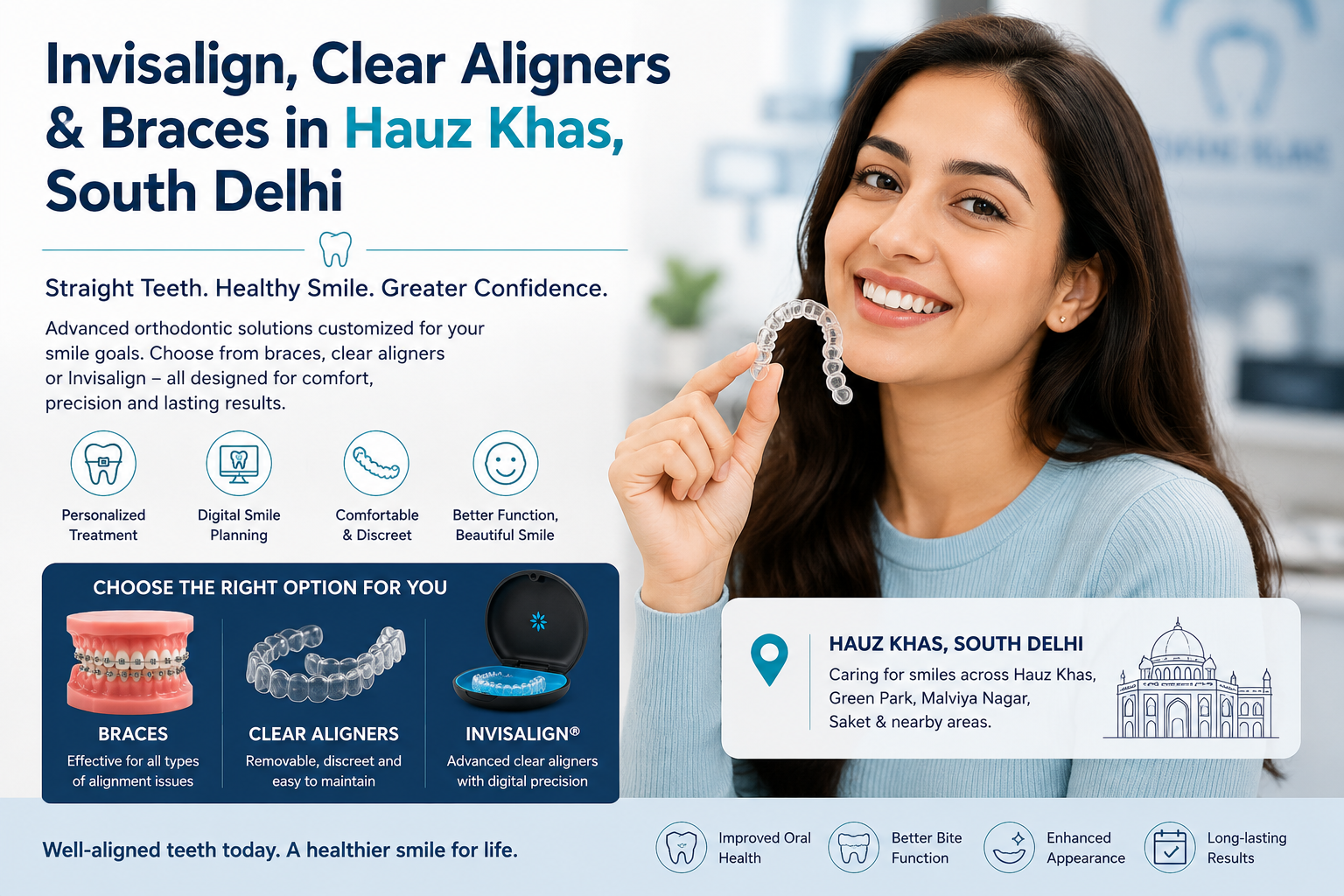
A well-aligned set of teeth contributes to more than an attractive smile. Proper alignment supports effective chewing, balanced jaw function, clearer speech in certain cases, and improved oral hygiene by making teeth easier to clean. Orthodontic treatment addresses a variety of dental concerns, ranging from minor spacing issues to complex bite irregularities, using scientifically planned tooth movement.
At Tooth & Tonic, patients from Hauz Khas and surrounding South Delhi neighbourhoods undergo a detailed orthodontic evaluation before treatment begins. Digital diagnostics and clinical assessment help identify the nature of the alignment problem and allow the orthodontist to develop an individualized treatment strategy based on the patient’s specific dental requirements.
Orthodontic Treatment Approaches
Modern orthodontics provides several treatment options that can effectively correct dental and bite irregularities while accommodating different aesthetic and lifestyle preferences. The treatment approach is selected after evaluating factors such as tooth position, jaw relationship, skeletal development, oral health, and the extent of correction required.
Available treatment options include:
- Conventional Metal Braces
- Ceramic Braces
- Self-Ligating Braces
- Clear Aligners
- Invisalign®
Each system is designed to gradually reposition teeth using controlled orthodontic forces, allowing stable movement while protecting surrounding bone and soft tissues.
Invisalign and Clear Aligner Therapy
Clear aligner therapy has become an increasingly preferred orthodontic solution because it combines advanced digital planning with patient comfort. Invisalign uses a series of transparent aligners that are custom-designed to fit precisely over the teeth, guiding them through gradual stages of movement.
Unlike fixed orthodontic appliances, aligners can be removed during meals and routine oral hygiene, making daily maintenance more convenient. The treatment is digitally planned from the outset, allowing the orthodontist to visualize tooth movement and monitor progress with greater precision throughout the treatment period.
Clear aligner therapy is often chosen for its:
- Transparent and discreet design
- Customized fit for enhanced comfort
- Removable appliance system
- Simplified oral hygiene routine
- Computer-guided treatment planning
- Progressive and controlled tooth movement
- Compatibility with active lifestyles
Orthodontic Problems That Can Be Corrected
Orthodontic treatment is recommended for patients experiencing various alignment and occlusal concerns that may affect both function and appearance.
These conditions commonly include:
- Crowded or overlapping teeth
- Uneven spacing between teeth
- Protruding front teeth
- Rotated teeth
- Deep bite
- Crossbite
- Open bite
- Underbite
- Mild to moderate jaw alignment discrepancies
Addressing these concerns helps improve bite stability, reduces abnormal pressure on teeth, and supports healthier long-term oral function.
Clinical Process for Invisalign Treatment
Every Invisalign case follows a structured workflow that combines digital technology with continuous clinical supervision.
Diagnostic Assessment
The initial stage includes a comprehensive orthodontic examination, digital scanning, bite analysis, and evaluation of facial symmetry. These findings provide the foundation for treatment planning.
Digital Orthodontic Planning
Three-dimensional software is used to simulate the planned movement of each tooth. This digital roadmap helps determine the sequence of aligners required throughout treatment.
Customized Aligner Production
Based on the approved treatment plan, a series of individually manufactured aligners is prepared. Each aligner is worn for a prescribed period before progressing to the next stage of treatment.
Clinical Monitoring
Regular review appointments allow the orthodontist to evaluate treatment progress, assess tooth movement, and ensure that the desired alignment is being achieved according to plan.
Post-Treatment Retention
Once active treatment is completed, retainers are recommended to maintain the corrected alignment and preserve treatment results over the long term.
Integrated Orthodontic Care
Orthodontic treatment often forms part of a broader oral healthcare plan. Depending on the patient’s clinical needs, treatment may be coordinated with preventive dentistry, restorative procedures, periodontal care, or cosmetic dentistry to achieve comprehensive oral rehabilitation.
This multidisciplinary approach ensures that tooth alignment is planned alongside overall dental health rather than as an isolated procedure.
Expected Treatment Timeline
The duration of orthodontic treatment depends on several clinical variables. While minor alignment corrections may be completed within a relatively short period, comprehensive bite correction typically requires a longer course of treatment.
The overall timeline is influenced by:
- Complexity of the orthodontic condition
- Type of appliance selected
- Biological response of teeth and supporting tissues
- Patient compliance with treatment instructions
- Regular monitoring throughout treatment
Treatment duration is determined individually after diagnostic assessment.
Factors That Determine Treatment Cost
Orthodontic treatment costs vary because every patient’s clinical requirements are different. The overall treatment plan is influenced by the severity of misalignment, appliance selection, expected treatment duration, number of aligners or appliance adjustments, and any supporting dental procedures that may be required.
A detailed clinical evaluation provides the necessary information for preparing an individualized treatment plan and determining the scope of orthodontic care.
Frequently Asked Questions
Can Invisalign correct bite problems?
Yes. Depending on the clinical diagnosis, Invisalign can effectively correct many bite-related problems, including overbite, crossbite, underbite, and spacing issues. More complex conditions may require alternative orthodontic approaches.
Do clear aligners affect speech?
Some patients may notice a slight change in speech during the initial adaptation period. This typically resolves as the tongue adjusts to the aligners.
Is orthodontic treatment painful?
Orthodontic treatment generally causes mild pressure rather than pain, particularly when new aligners are introduced or braces are adjusted. This sensation usually subsides within a few days.
Can braces and aligners improve oral hygiene?
Properly aligned teeth are generally easier to clean, reducing plaque accumulation and supporting healthier gums when combined with regular oral hygiene practices.
Are orthodontic results permanent?
Orthodontic treatment produces long-lasting results when retainers are worn as recommended and routine dental follow-up is maintained.