
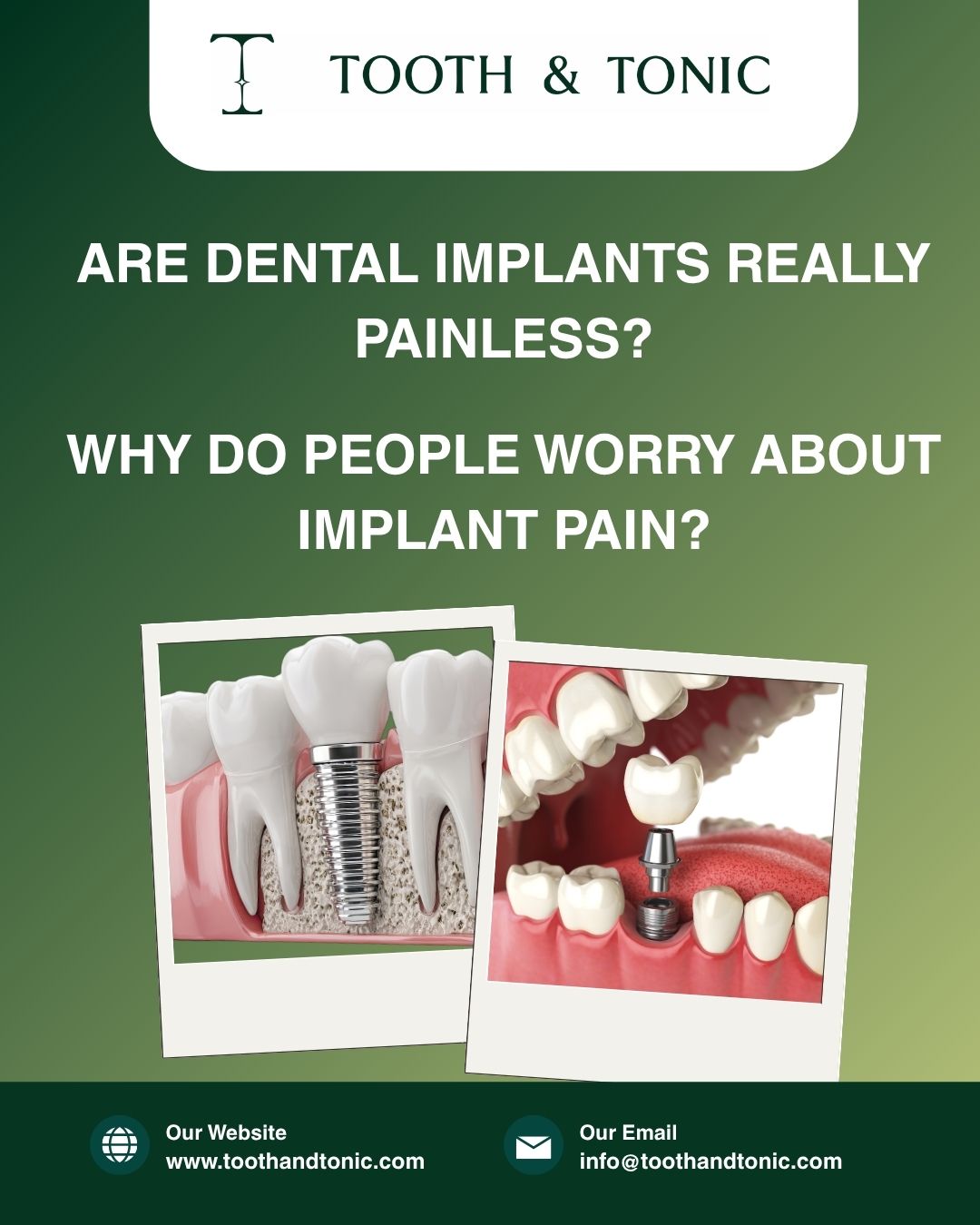
Are Dental Implants Really Painless? One of the most common questions people ask before replacing missing teeth is: "Are dental implants really painless?" It's an understandable concern. The idea of having a dental implant surgically placed into the jawbone can sound intimidating, especially for individuals who are already nervous about dental procedures. However, modern dentistry …

Are Dental Implants Really Painless?
Table of Contents
One of the most common questions people ask before replacing missing teeth is:
“Are dental implants really painless?”
It’s an understandable concern. The idea of having a dental implant surgically placed into the jawbone can sound intimidating, especially for individuals who are already nervous about dental procedures.
However, modern dentistry has evolved significantly over the years. Advances in technology, surgical techniques, anesthesia, and treatment planning have made dental implant treatment more comfortable than many patients expect.
That said, it is important to understand that “painless” can mean different things to different people. Every individual experience treatment and recovery differently based on factors such as pain tolerance, oral health, complexity of the procedure, and overall medical condition.
In this article, we’ll explore what patients can realistically expect before, during, and after dental implant surgery, and whether the procedure is truly painless.
What Are Dental Implants?
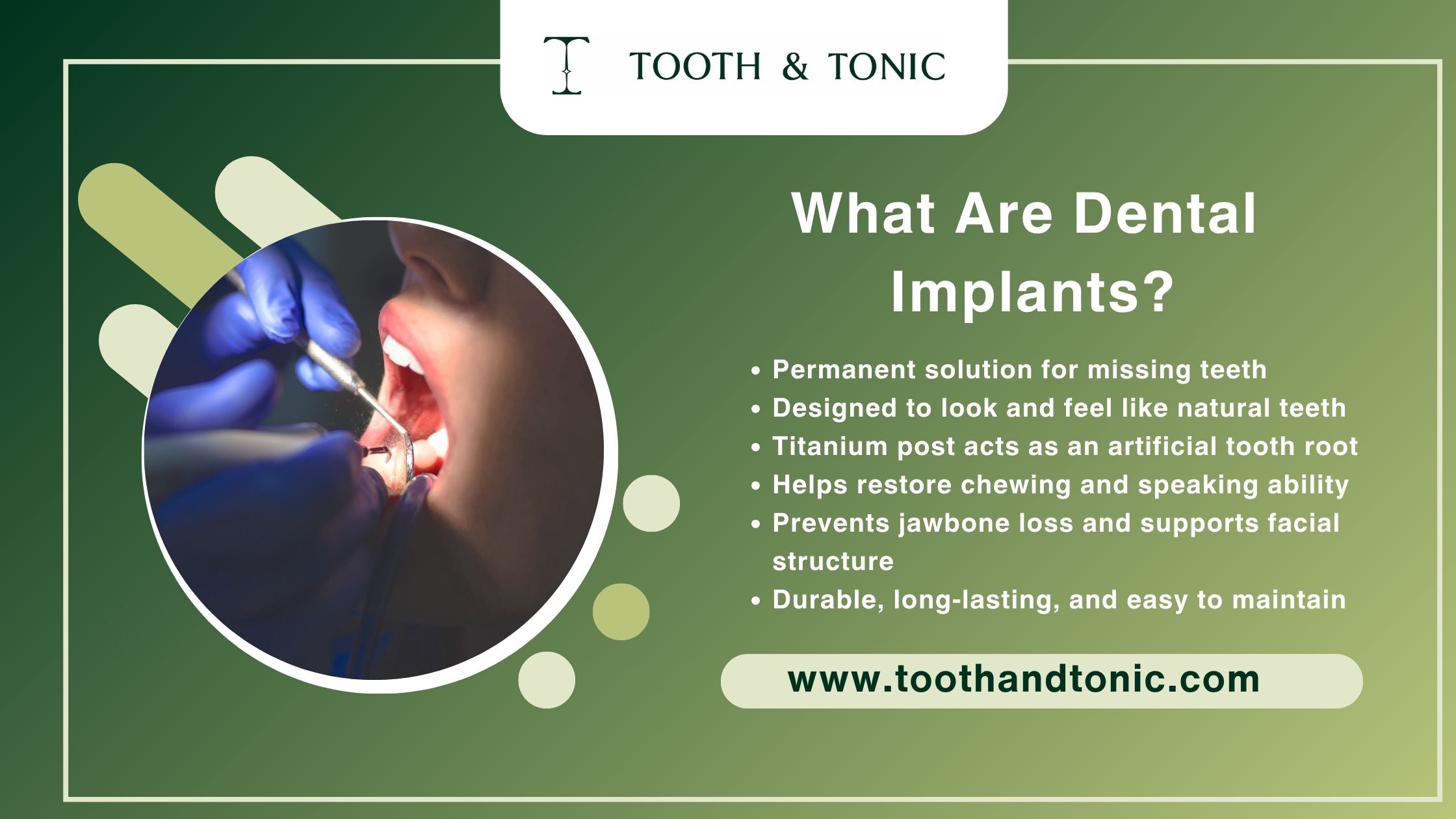
Before discussing discomfort and recovery, it’s important to understand what a dental implant actually is.
A dental implant is an artificial tooth root, usually made from titanium or other biocompatible materials, that is placed into the jawbone to support a replacement tooth.
A complete implant restoration typically includes:
- Implant fixture
- Abutment
- Dental crown
Dental implants are commonly used to replace:
- A single missing tooth
- Multiple missing teeth
- Full arches of missing teeth
They are designed to provide long-term support while restoring function and appearance. Dental implants can help restore confidence and support long-term replacement solutions for missing dental implants teeth. While titanium remains commonly used, some patients may also explore ceramic dental implants depending on treatment suitability and professional recommendation.
Why Do People Worry About Implant Pain?
The word “surgery” often creates anxiety.
Many people imagine:
- Significant pain
- Long recovery periods
- Swelling
- Difficulty eating
- Extended discomfort
In reality, modern implant dentistry focuses heavily on patient comfort.
Most patients are surprised to learn that the procedure itself is usually performed under local anesthesia, meaning the treatment area becomes numb before surgery begins.
As a result, many individuals report feeling pressure or vibration during treatment rather than pain.
Is Dental Implant Surgery Painful?
The short answer is:
Most Patients Experience Minimal Pain During the Procedure
During implant placement, local anesthesia is typically used to numb the area.
Because of this, patients generally do not feel sharp pain while the implant is being placed.
They may notice:
- Pressure sensations
- Movement
- Mild vibrations
- Sounds from dental instruments
However, pain perception varies from person to person.
Factors that can influence comfort include:
- Anxiety levels
- Complexity of surgery
- Number of implants placed
- Bone quality
- Existing oral health conditions
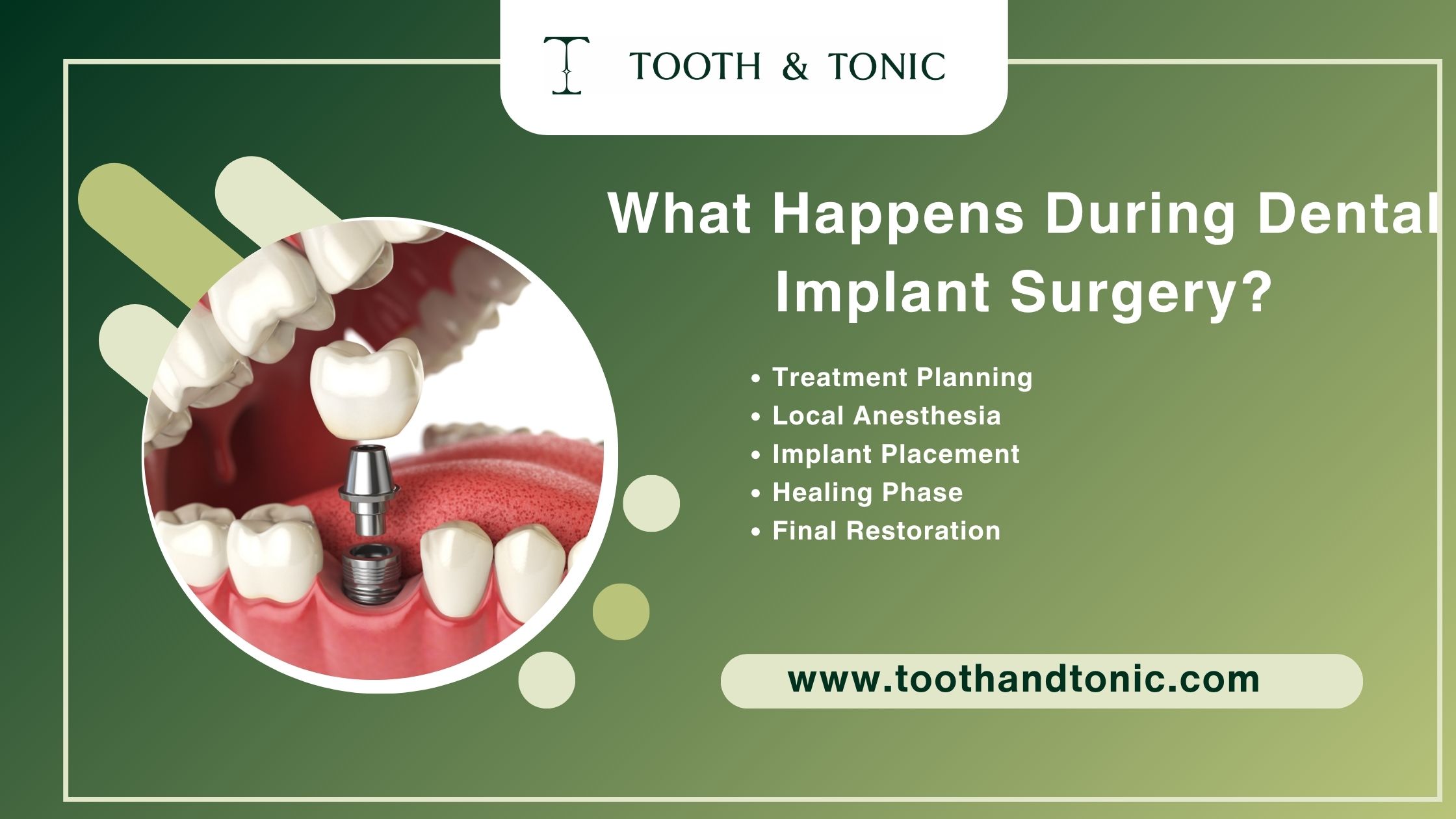
What Happens During Dental Implant Surgery?
Understanding the process can help reduce fear and uncertainty.
Step 1: Treatment Planning
The implantologist evaluates:
- Teeth
- Gums
- Jawbone
- Bite alignment
- Medical history
Advanced imaging such as Cone Beam Computed Tomography(CBCT) may be used to assess bone structure and digitally plan implant placement accurately.
Step 2: Local Anesthesia
The treatment area is numbed before the procedure begins.
The purpose is to help ensure patient comfort during surgery.
Step 3: Implant Placement
A small opening is created in the jawbone, and the implant fixture is carefully inserted.
The procedure is performed with precision according to the treatment plan.
Step 4: Healing Phase
The jawbone gradually integrates with the implant through a process called osseointegration.
This process can take several weeks to months, depending on individual circumstances.
Step 5: Final Restoration
Once healing is complete, the final crown, bridge, or denture is attached to the implant.
What About Pain After Dental Implant Surgery?
This is where most patients experience some degree of discomfort.
However, post-operative discomfort is often described as easily manageable by antibiotics and painkillers.
Some patients compare recovery to:
- Tooth extraction recovery
- Minor oral surgery
- Mild dental soreness
Common temporary symptoms may include:
- Mild tenderness
- Swelling
- Bruising
- Gum sensitivity
- Minor discomfort while chewing
These symptoms typically improve as healing progresses.
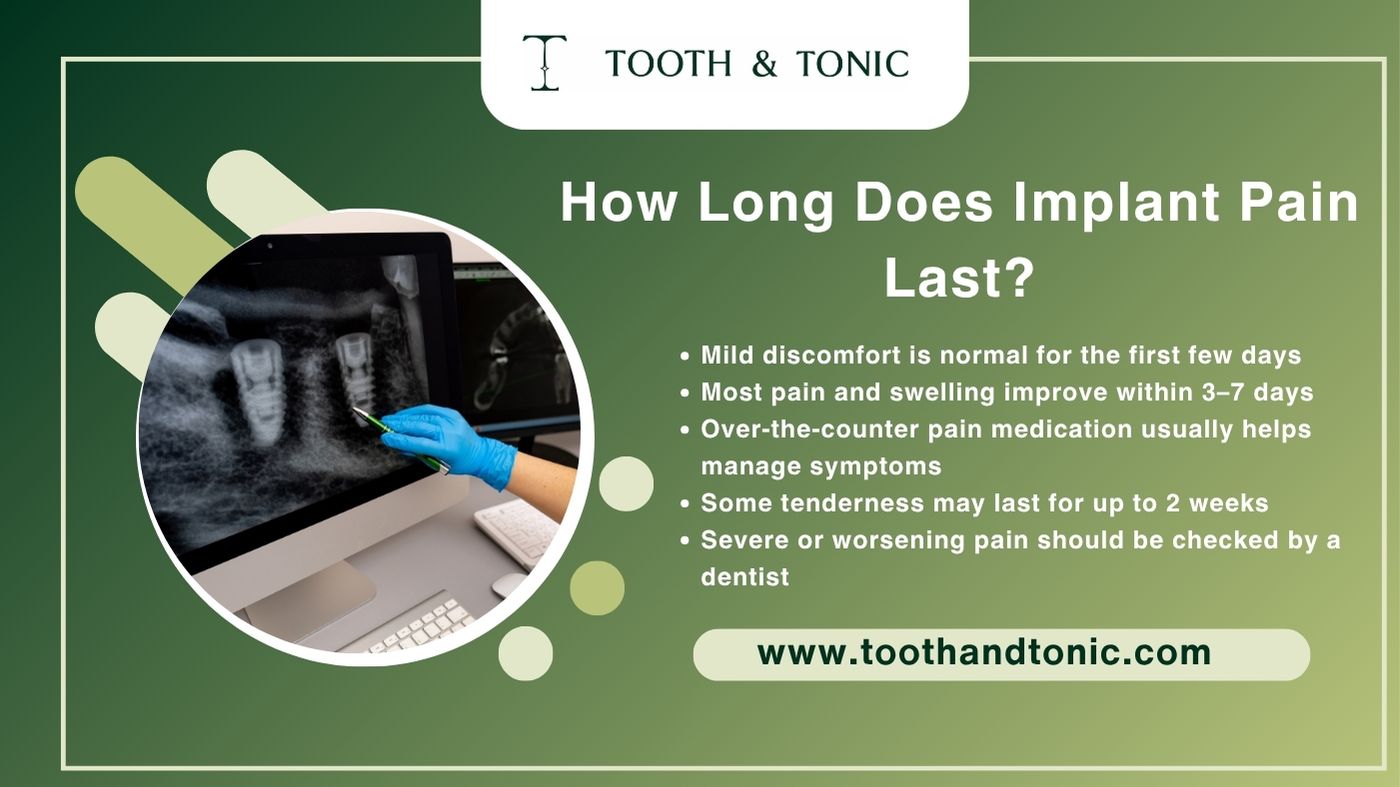
How Long Does Implant Pain Last?
Recovery experiences vary.
Generally:
First 24–72 Hours
Patients may notice:
- Mild soreness
- Swelling
- Tenderness
These symptoms are often most noticeable during the first 2-3 days.
First Week
Many patients report gradual improvement.
Eating softer foods may be more comfortable during this period.
Following Weeks
As healing continues, discomfort usually decreases significantly.
The implant itself remains beneath the gums while bone integration occurs.
Factors That Influence Implant Comfort
Not all implant cases are identical.
Several factors can affect recovery and comfort levels.
Number of Implants
A single implant procedure may involve less post-operative discomfort compared to full-mouth implant rehabilitation.
Bone Grafting Procedures
Some patients require:
- Bone grafting
- Sinus augmentation
- Additional surgical procedures
These treatments may influence healing time and recovery experience.
Overall Health
Factors such as:
- Smoking
- Diabetes
- Oral hygiene habits
- General health conditions
may affect healing.
Individual Pain Threshold
Everyone experiences discomfort differently. What feels mild to one person may feel more noticeable to another.
How Do Dentists Help Minimize Discomfort?
Modern implant dentistry focuses heavily on patient comfort.
Common approaches may include:
Detailed Treatment Planning
Careful planning helps improve precision and reduce unnecessary trauma to surrounding tissues.
Modern Surgical Techniques
Advancements in technology allow implant placement to be more predictable and efficient.
Local Anesthesia
Effective anesthesia helps reduce discomfort during the procedure itself.
Post-Operative Instructions
Patients receive guidance regarding:
- Oral hygiene
- Diet
- Activity levels
- Healing expectations
Following these instructions can support recovery. Proper dental care and implants maintenance may also support healing and long-term implant success.
Are Immediate Dental Implants More Painful?
Some patients may be candidates for Immediate Dental Implants, where the implant is placed soon after tooth extraction and does not require a second surgical procedure for implant placement.
A common misconception is that immediate implant placement automatically causes more pain.
In reality, comfort levels depend on factors such as:
- Surgical complexity
- Bone condition
- Existing infection
- Overall treatment plan
Some patients experience recovery similar to conventional implant placement.
However, suitability varies from person to person and requires professional evaluation.
What Foods Can You Eat After Implant Surgery?
Following treatment, dentists often recommend softer foods during the early healing period.
Examples may include:
Yogurt
Soup
Smoothies
Mashed vegetables
Soft fruits
Scrambled eggs
Patients are usually advised to avoid hard or crunchy foods immediately after surgery.
Diet recommendations should always follow the implantologist’s instructions.
Common Myths About Dental Implant Pain
Myth 1: Implant Surgery Is Extremely Painful
Modern anesthesia, medicines and surgical techniques have improved patient comfort significantly.
Myth 2: Recovery Takes Months of Pain
Healing can take several months, but this does not necessarily mean ongoing pain throughout the healing process.
Myth 3: Everyone Has the Same Experience
Recovery experiences vary depending on individual circumstances.
Myth 4: Older Adults Cannot Tolerate Implant Surgery
Age alone does not determine implant suitability.
Overall oral and general health are more important considerations.
Who May Be a Candidate for Dental Implants?
Many adults with missing teeth may be evaluated for implant treatment.
Potential candidates may include individuals with:
- Missing teeth
- Healthy gums
- Adequate jawbone support
- Good oral hygiene habits
However, candidacy must always be determined through professional assessment.
The most suitable treatment approach depends on:
- Dental condition
- Bone quality
- Age
- Lifestyle
- Health status
- Personal goals
Dental Implants vs Other Tooth Replacement Options
There is no single tooth replacement option that is ideal for every patient.
Treatment recommendations may depend on:
- Number of missing teeth
- Bone availability
- Oral health condition
- Budget considerations
- Functional requirements
- Long-term goals
Possible options may include:
- Dental implants
- Bridges
- Partial dentures
- Complete dentures
Each option has advantages and limitations.
An implantologist can help determine the most appropriate solution for an individual’s needs.
Painless Dental Implants and Immediate Dental Implants in Delhi
People researching Painless Dental Implants in Delhi often want to understand how modern implant techniques may improve patient comfort throughout treatment. Similarly, interest in Immediate Dental Implants in Delhi has increased as more patients explore options for replacing missing teeth efficiently. At Tooth and Tonic Dental Clinic, discussions regarding dental implants typically involve evaluating oral health, bone condition, treatment goals, and overall suitability before recommending an individualized treatment plan.
Frequently Asked Questions (FAQs)
Are dental implants really painless?
Most patients experience little to no pain during implant placement due to local anesthesia. Some post-operative discomfort is normal during healing.
How painful is dental implant surgery?
Many patients describe the procedure as more comfortable than expected, often reporting pressure rather than pain during treatment.
How long does discomfort last after dental implants?
Mild soreness and swelling may occur for a few days, although recovery experiences vary.
Can I return to work after implant surgery?
Many patients resume normal activities within a short period, depending on the complexity of treatment and professional advice.
Are immediate dental implants painful?
Comfort levels depend on individual circumstances and treatment complexity rather than timing alone.
Will I be awake during implant surgery?
Dental implant placement is commonly performed under local anesthesia, allowing patients to remain awake while the treatment area is numb.
Is swelling normal after implant surgery?
Mild swelling can be a normal part of the healing process for some patients.
Can dental implants fail because of pain?
Pain alone does not indicate implant failure. Any unusual or persistent symptoms should be evaluated by the treating dentist.
What can I eat after implant placement?
Soft foods are commonly recommended during the early stages of healing.
Are dental implants suitable for older adults?
Many older adults successfully receive dental implants, provided they are appropriate candidates based on oral and overall health.
Is implant surgery more painful than tooth extraction?
Experiences vary, but many patients report that implant placement feels similar to or more comfortable than they expected.
How do I know if dental implants are right for me?
A comprehensive evaluation by an implantologist is necessary to determine whether dental implants are appropriate for your situation.
Conclusion
The question, “Are dental implants really painless?”, does not have a simple yes-or-no answer.
For many patients, modern dental implant treatment is considerably more comfortable than anticipated. Local anesthesia, advanced planning, and contemporary surgical techniques often help minimize discomfort during the procedure itself. Some soreness, swelling, or tenderness may occur afterward, but experiences vary widely from person to person.
Importantly, there is no universally better tooth replacement option for everyone. The most appropriate treatment depends on multiple factors, including oral health, bone quality, age, lifestyle, treatment goals, medical history, and individual preferences.
Whether considering single tooth implants, Immediate Dental Implants, bridges, or other restorative options, the best approach is one that is tailored to the patient’s unique needs.
A consultation with a qualified implantologist remains the most reliable way to determine the ideal treatment plan and understand what to realistically expect throughout the dental implant journey.