
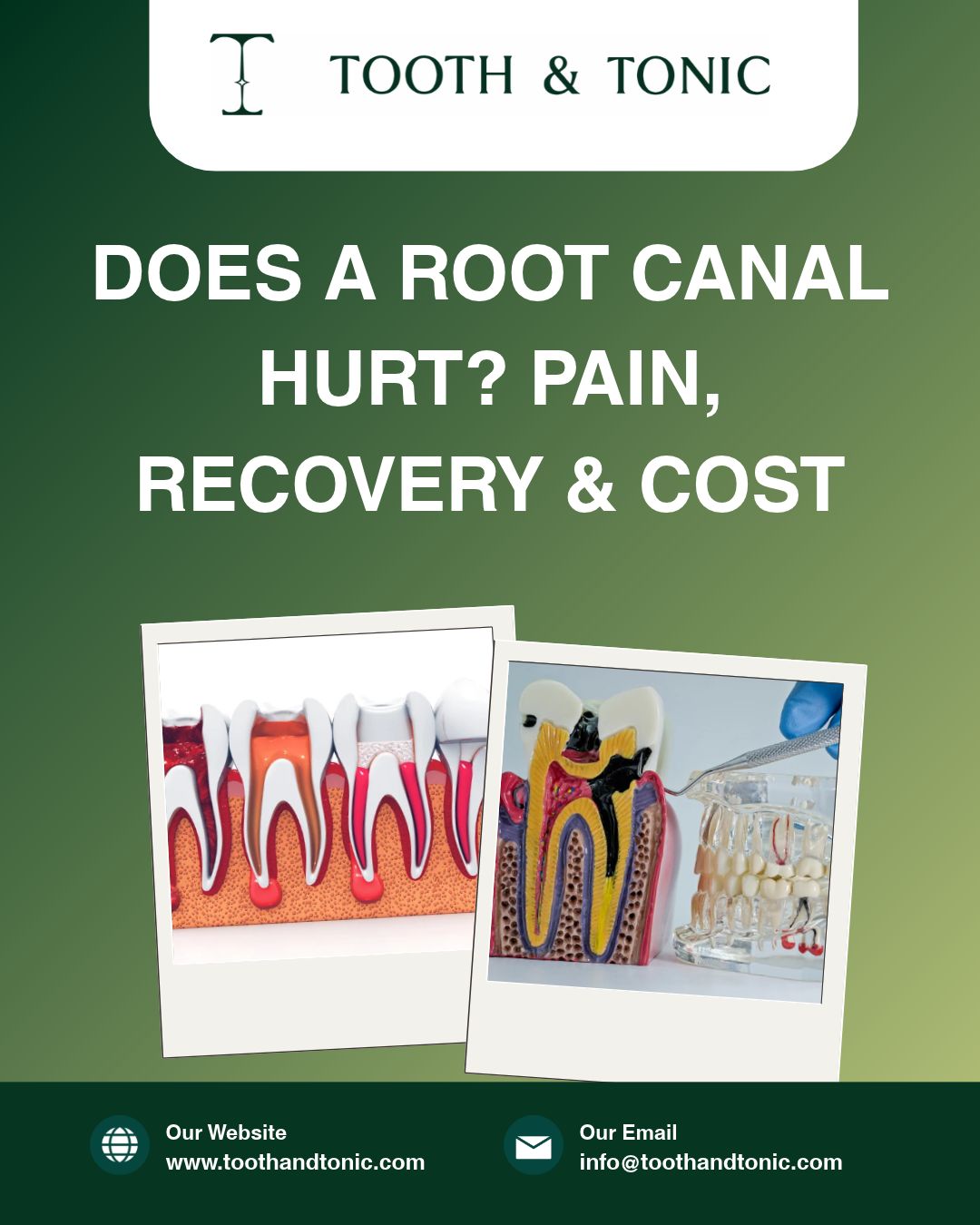
Thanks to modern dental techniques, precision imaging, and effective local anaesthesia, root canal treatment is designed to relieve pain—not cause it. For many people, hearing the words "root canal treatment" immediately brings to mind pain and discomfort. In reality, this perception is based on outdated experiences and common myths. If your dentist has recommended a …

For many people, hearing the words “root canal treatment” immediately brings to mind pain and discomfort. In reality, this perception is based on outdated experiences and common myths.
If your dentist has recommended a root canal treatment, it’s natural to have questions and concerns. Understanding what the procedure involves and what to expect can help reduce anxiety and allow you to make an informed decision about your oral health.
In this guide, we’ll explain how root canal treatment works, why it is performed, whether it is painful, and how to care for your tooth after the procedure.
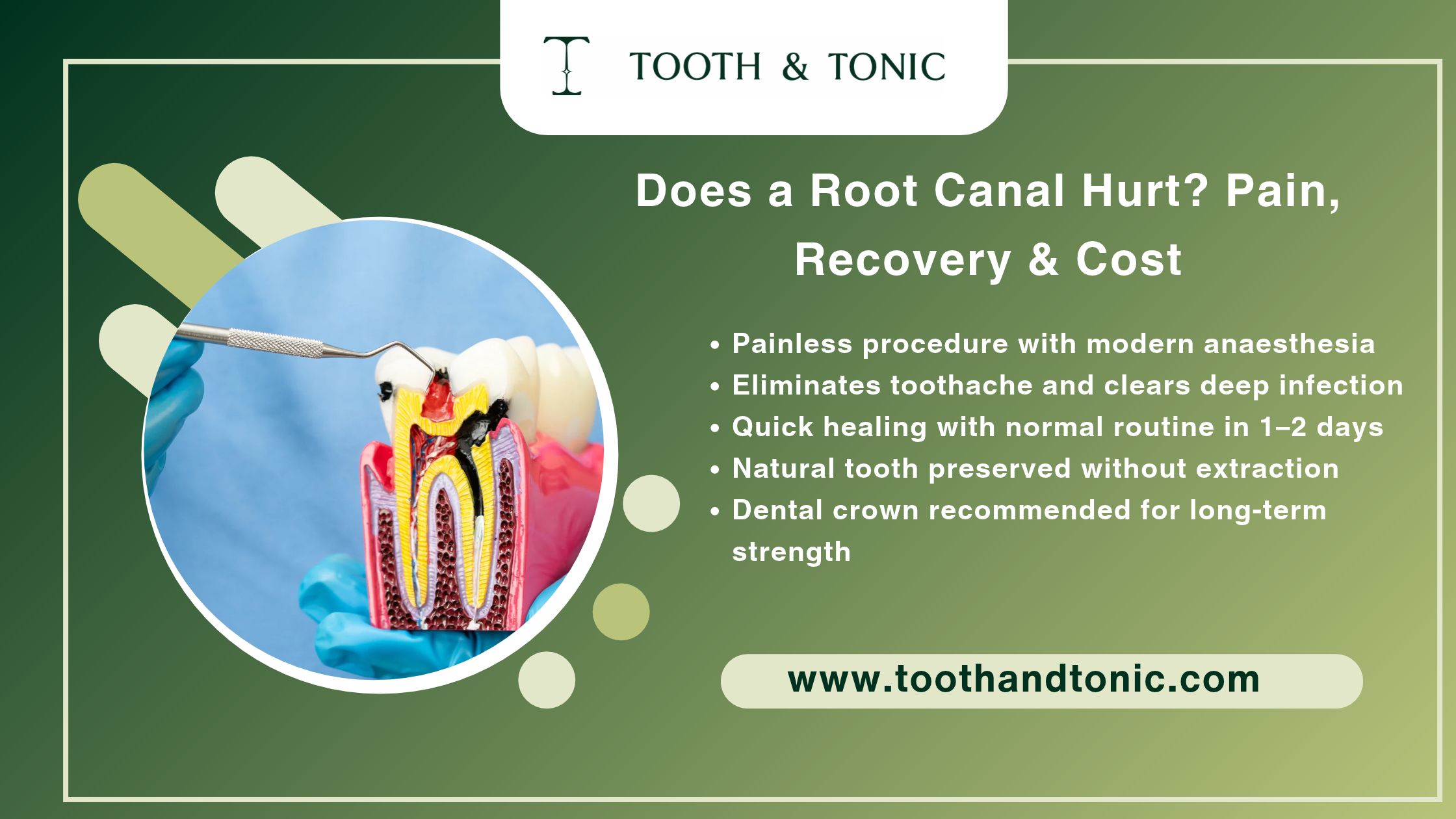
What Is Root Canal Treatment?
Table of Contents
A root canal treatment is a dental procedure used to save a tooth that has been damaged by deep decay, infection, or injury. Instead of removing the tooth, the dentist removes the infected or inflamed tissue inside the tooth, cleans and disinfects the root canals, and seals them to prevent further infection.
Inside every tooth is the dental pulp, which contains nerves, blood vessels, and connective tissue. When bacteria reach the pulp, it can become infected and lead to significant discomfort. According to clinical consensus on root canal treatment, without treatment, the infection may spread to the surrounding bone and tissues, increasing the risk of complications and tooth loss.
Your dentist may recommend root canal treatment if the pulp inside your tooth has become inflamed or infected due to:
- Deep dental cavities
- Cracked or fractured teeth
- Trauma or injury to the tooth
- Repeated dental procedures on the same tooth
- Large or leaking fillings
- Untreated tooth decay
Treating the infection early helps preserve the natural tooth and maintain normal chewing function.
Is Root Canal Treatment Painful?
The short answer is no—not during the procedure.
One of the biggest misconceptions about root canal treatment is that it is extremely painful. Modern dentistry has changed that experience significantly. Before beginning treatment, your dentist administers local anaesthesia to numb the affected area. This means you should feel pressure and movement but not sharp pain during the procedure.
In fact, many patients describe the experience as similar to receiving a routine dental filling.
The pain people often associate with root canals usually comes before treatment, when the infected tooth is causing inflammation and pressure inside the pulp. By removing the source of infection, root canal treatment is intended to relieve that pain rather than create it.
Common Signs You May Need a Root Canal Treatment
Not every tooth infection causes severe pain. However, some common symptoms include:
- Persistent toothache
- Pain while chewing
- Sensitivity to hot or cold that lasts after the stimulus is removed
- Swollen or tender gums
- A small pimple-like swelling on the gums
- Tooth discoloration
- A cracked or broken tooth with pain
- Facial swelling in more advanced infections
It’s also possible to have an infected tooth without obvious symptoms. This is one reason why regular dental check-ups remain important.
How Does Your Dentist Diagnose the Need for a Root Canal?
A diagnosis typically involves several steps:
- Clinical Examination: Your dentist checks the affected tooth, surrounding gums, and nearby teeth for signs of infection or damage.
- Digital X-rays: Dental X-rays help identify infection around the root tip, bone loss, deep decay, previous dental work, and hidden fractures.
- Pulp Vitality Tests: Special tests may be used to determine whether the dental pulp is healthy or has become irreversibly damaged.
Together, these assessments help your dentist decide whether root canal treatment is the most appropriate option.
Step-by-Step: What Happens During a Root Canal Treatment?
Understanding the procedure often helps reduce fear.
Step 1
Local Anaesthesia
The affected tooth and surrounding tissues are numbed to keep you comfortable throughout the procedure.
Step 2
Isolation of the Tooth
A protective rubber dam is placed around the tooth to keep it dry and free from saliva during treatment.
Step 3
Accessing the Pulp
A small opening is created in the tooth to reach the infected pulp chamber.
Step 4
Cleaning the Root Canals
Using specialised instruments, the dentist removes infected tissue, shapes the canals, and thoroughly disinfects them.
Step 5
Filling the Canals
After cleaning, the canals are sealed with a biocompatible material (gutta-percha) to prevent reinfection.
Step 6
Restoring the Tooth
Finally, the tooth structure is restored with a permanent composite filling or prepared for a dental crown.
How Long Does a Root Canal Take?
The duration depends on several factors, including:
- Which tooth is being treated
- The complexity of the root canals
- The severity of the infection
- Whether retreatment is required
Most root canal treatments can be completed in one or two appointments, with each visit typically lasting 60 to 90 minutes.
Is It Better to Save the Tooth?
Whenever possible, preserving a natural tooth is generally preferred because it helps maintain normal chewing function, supports neighbouring teeth, and preserves jawbone health.
However, every situation is unique. The most appropriate treatment depends on factors such as the condition of the tooth, the extent of infection, overall oral health, and your dentist’s clinical assessment.
Recovery After Root Canal Treatment
One of the most common questions patients ask after the procedure is, “How long will it take to recover?” The good news is that recovery after root canal treatment is usually straightforward. Most people return to work, school, or their normal routine the same day or the following day.
However, every person’s healing experience is different and depends on factors such as the severity of infection, which tooth was treated, whether the tooth required a crown, and following aftercare instructions. Most mild tenderness improves within 2–5 days.
Do You Need a Dental Crown After Root Canal Treatment?
Many teeth that undergo root canal treatment, particularly back teeth (molars and premolars), become more brittle over time because the infected pulp has been removed. For this reason, your dentist may recommend a dental crown.
A crown helps:
- Protect the treated tooth
- Restore chewing function
- Reduce the risk of fracture
- Improve long-term durability
Not every tooth requires a crown. Front teeth, for example, may sometimes be restored with a filling if sufficient healthy tooth structure remains. The decision depends on your individual clinical situation.
Benefits of Root Canal Treatment
Modern root canal treatment offers several important advantages:
- Preserves Your Natural Tooth: Keeping your natural tooth helps maintain normal biting function and jaw alignment.
- Eliminates the Source of Infection: Cleaning and sealing the canals removes infected tissue and stops bacterial spread.
- Relieves Pain: Treating the underlying cause immediately resolves severe pulp toothache.
- Maintains Natural Appearance: Saving your tooth preserves your smile without leaving an empty gap.
- Supports Long-Term Oral Health: Retaining natural teeth prevents adjacent teeth from drifting out of alignment.
Are There Any Risks?
Like any dental procedure, root canal treatment has potential limitations. These may include complex root canal anatomy, persistent infection requiring additional therapy, fracture of a severely weakened tooth, or the need for retreatment in select cases. Fortunately, advances in digital imaging and improved biomaterials have contributed to exceptionally high clinical success rates.
Cost of Root Canal Treatment
The cost of root canal treatment depends on multiple factors, including the type of tooth treated, the complexity of canal anatomy, infection severity, biomaterials used, and whether retreatment or a CBCT 3D scan is necessary.
INR 6,000 to INR 15,000
At Tooth and Tonic Dental Clinic, root canal therapy generally ranges within this bracket, determined by the exact requirements of each individual case.
Common Myths About Root Canal Treatment
Myth 1: Root Canal Treatment Is Extremely Painful
Fact: Modern techniques and local anaesthesia are designed to keep patients comfortable during treatment.
Myth 2: Tooth Extraction Is Always Better
Fact: Preserving a natural tooth is preferred whenever possible, as natural teeth preserve bone and alignment.
Myth 3: Root Canal Treatment Causes Illness
Fact: There is no reliable scientific evidence supporting claims that properly performed root canal treatment causes systemic disease.
Myth 4: The Pain Continues for Weeks
Fact: Mild tenderness after treatment is normal for a few days, but prolonged or severe pain is rare and should be assessed by your dentist.
Myth 5: Root Canal Treatment Always Requires Multiple Visits
Fact: Many treatments can be completed in a single visit, although complex infections may require two appointments.
Local Information for Patients in Delhi
People looking for Root Canal Treatment in Delhi often have questions about pain, recovery, and treatment options. At Tooth and Tonic Dental Clinic, patients can discuss these concerns with a dental professional who will evaluate their specific condition and recommend appropriate care.
Whether you are exploring endodontic treatment in Delhi, need advice about a painful tooth, or want to understand whether a root canal is necessary, an individual dental examination is the best way to determine the most suitable treatment plan.
Frequently Asked Questions (FAQs)
1. Is root canal treatment painful?
No. Modern root canal treatment is performed under local anaesthesia, making the procedure generally comfortable. Mild soreness afterward is normal and usually temporary.
2. How long does a root canal take?
Most root canal treatments take 60–90 minutes and are completed in one or two visits.
3. Why do I need a root canal?
A root canal treatment is needed when the tooth’s pulp becomes infected due to deep decay, injury, or cracks.
4. Can I eat after a root canal?
Yes. Wait until the numbness wears off, then choose soft foods and avoid chewing on the treated tooth until advised by your dentist.
5. Will I need a dental crown?
Many back teeth require a dental crown after a root canal to restore strength and protect the tooth.
6. How long does recovery take?
Most patients recover within a few days, although mild tenderness may last for a short time.
7. Is a root canal better than tooth extraction?
It depends on the condition of the tooth. Preserving a natural tooth is often preferred when possible, but your dentist will recommend the most suitable treatment.
8. What happens if I delay treatment?
Delaying root canal treatment may allow the infection to worsen, increasing the risk of pain, swelling, or tooth loss.
9. How successful is root canal treatment?
Root canal treatment has a high success rate when followed by proper restoration and good oral hygiene.
10. Can a root canal-treated tooth last a lifetime?
Yes. With proper care, regular dental check-ups, and a well-restored tooth, it can last for many years or even a lifetime.
11. Can children have root canal treatment?
Yes. Depending on the tooth involved and the stage of development, children may receive specialised pulp therapy or root canal procedures to help preserve their teeth when appropriate.
Conclusion
Root canal treatment is not as painful as many people believe. With modern dental techniques and anaesthesia, the procedure is designed to remove infection and relieve tooth pain while preserving your natural tooth.
The right treatment depends on your tooth condition, oral health, and dentist’s evaluation. If you experience persistent tooth pain or sensitivity, a dental consultation can help determine the most suitable solution.