
Most people know that brushing twice a day and flossing daily is essential for maintaining healthy teeth and gums. However, even the best home oral care routine cannot completely remove every bit of plaque and bacteria from the mouth. Over time, plaque hardens into tartar, which cannot be removed with a toothbrush alone. This is …

Most people know that brushing twice a day and flossing daily is essential for maintaining healthy teeth and gums. However, even the best home oral care routine cannot completely remove every bit of plaque and bacteria from the mouth.
Over time, plaque hardens into tartar, which cannot be removed with a toothbrush alone. This is where professional teeth cleaning plays an important role.
One of the most common questions patients ask is:
“How often should I get professional teeth cleaning?”
Table of Contents
The answer isn’t the same for everyone. While many dentists recommend a professional cleaning every six months, the ideal schedule depends on several individual factors, including your oral health, age, lifestyle, medical history, existing dental conditions and your dentist’s clinical assessment.
In this guide, you’ll learn how professional dental cleaning works, why it’s important, who may need more frequent visits and how regular cleanings can support better oral health over time.
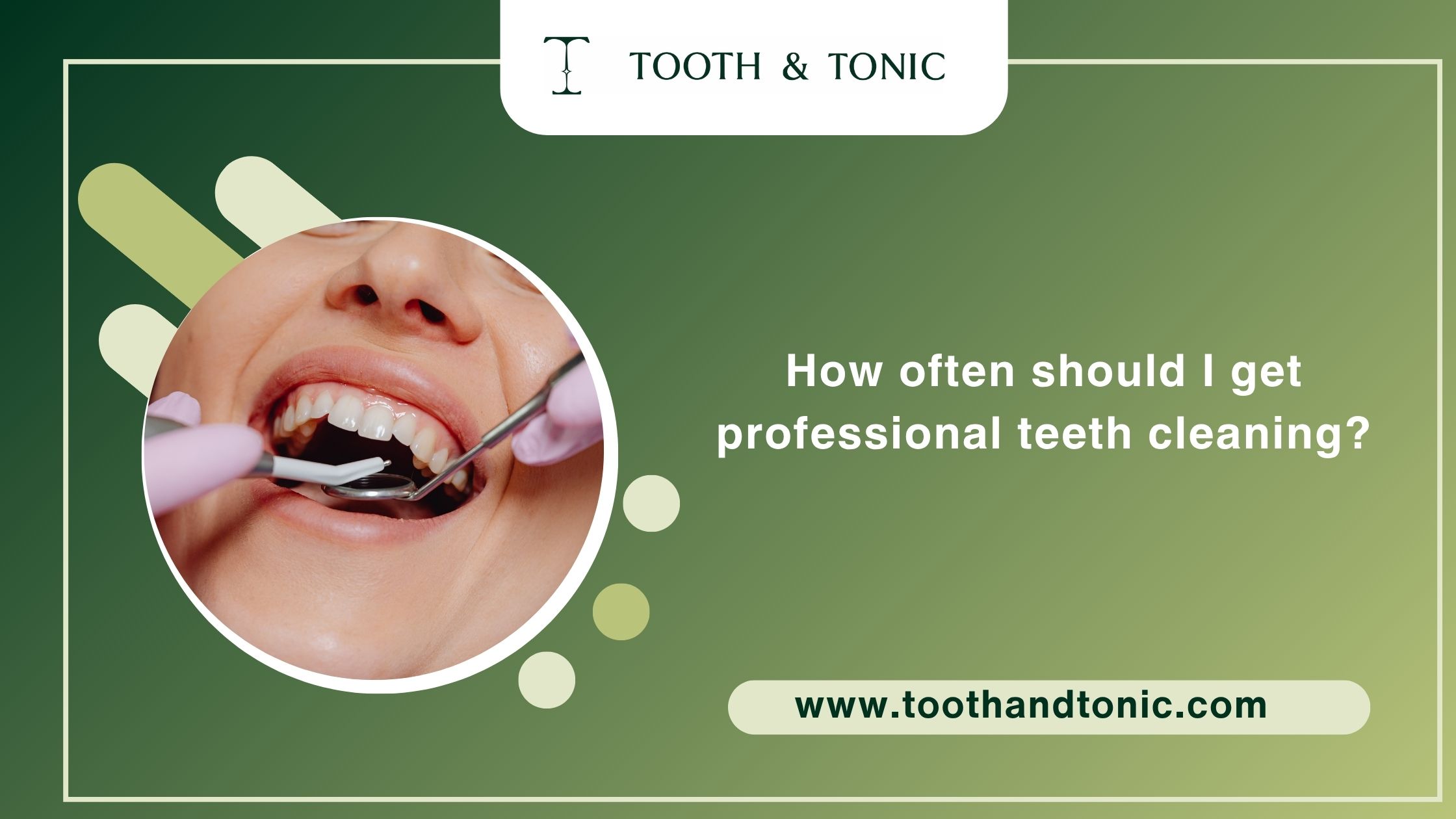
What Is Professional Teeth Cleaning?
Professional teeth cleaning is a preventive dental procedure performed by a dentist or dental hygienist to remove plaque, tartar (calculus), and surface stains from the teeth.
Unlike daily brushing and flossing, professional cleaning reaches areas that are difficult to clean at home and helps maintain healthier gums.
A routine cleaning generally includes:
- Examination of the teeth and gums
- Removal of plaque and tartar
- Tooth polishing
- Professional flossing
- Fluoride treatment (when appropriate)
Regular cleanings also give the dentist an opportunity to identify early signs of dental concerns before they become more complicated.
Why Is Professional Teeth Cleaning Important?
Even people with excellent brushing habits can develop tartar.
Here’s why.
After every meal, bacteria in the mouth combine with food particles to form plaque. If plaque isn’t completely removed, it hardens into tartar within a short period.
Once tartar forms, only a dental professional can remove it safely.
Regular professional teeth cleaning helps:
- Remove plaque and tartar
- Improve oral hygiene
- Reduce the risk of gum disease
- Freshen breath
- Remove many surface stains
- Support healthier gums
- Detect dental problems early
Professional cleaning is considered an important part of preventive dentistry.
How Often Should You Get Professional Teeth Cleaning?
For many healthy adults, visiting the dentist every six months is a commonly recommended schedule.
However, there is no universal rule.
Some patients benefit from cleanings every three to four months, while others with excellent oral health may only need annual preventive cleaning if advised by their dentist.
The right schedule depends on your individual oral health.
Factors That Determine How Often You Need Teeth Cleaning
Gum Health
Healthy gums generally require routine maintenance.
However, patients with:
- Gingivitis
- Periodontal disease
- Gum inflammation
- Bleeding gums
may require more frequent professional cleaning appointments.
Plaque and Tartar Buildup
Some people naturally accumulate tartar much faster than others.
If your dentist notices significant tartar during checkups, they may recommend shorter intervals between cleanings.
Risk of Tooth Decay
Patients with a history of cavities may benefit from more frequent preventive care.
Risk factors include:
- Frequent sugary snacks
- Dry mouth
- Acid reflux
- Poor oral hygiene
- Previous dental decay
Orthodontic Treatment
People wearing:
- Braces
- Clear aligners
- Permanent retainers
often have more areas where plaque can collect.
Maintaining good oral hygiene during orthodontic treatment may require additional professional cleaning visits.
Smoking and Tobacco Use
Smoking increases plaque accumulation and may contribute to gum disease and tooth staining.
Regular professional cleaning helps remove stubborn deposits and allows ongoing monitoring of gum health.
Medical Conditions
Certain medical conditions may influence oral health, including:
- Diabetes
- Pregnancy-related hormonal changes
- Dry mouth caused by medications
- Reduced immune function
Dentists consider these factors when recommending a cleaning schedule.
Age
Children, teenagers, adults and older adults all have different preventive dental needs.
Older adults may experience:
- Gum recession
- Dry mouth
- Existing dental restorations
- Increased plaque retention
Children benefit from regular preventive care during tooth development.
Lifestyle and Diet
Your daily habits influence oral health.
Examples include:
- Coffee
- Tea
- Tobacco
- Stained and Sugary foods
- Frequent snacking
These habits may contribute to staining or plaque buildup over time.
What Happens During a Professional Teeth Cleaning Appointment?
Many patients feel more comfortable when they know what to expect.
A routine appointment usually involves the following steps.
Dental Examination
The dentist first examines:
- Teeth
- Gums
- Existing fillings or crowns
- Signs of decay
- Gum inflammation
This helps identify any concerns before cleaning begins.
Plaque and Tartar Removal
Using specialized instruments, the dentist removes hardened tartar from:
- Around the gumline
- Between teeth
- Difficult-to-reach areas
This process is often called dental scaling.
Guided Biofilm Therapy (When Recommended)
Some dental practices offer Guided Biofilm Therapy (GBT), an advanced preventive cleaning approach designed to identify and remove biofilm using a disclosing solution, air polishing technology, and ultrasonic instruments.
This technique may provide a comfortable and minimally invasive cleaning experience for suitable patients.
However, not everyone requires Guided Biofilm Therapy. Whether it is appropriate depends on the patient’s dental condition, treatment goals, age, lifestyle, and the dentist’s recommendation.
Tooth Polishing
After scaling, polishing helps remove many surface stains and smooths the tooth surface.
Professional Flossing
Floss removes any remaining debris between teeth.
Fluoride Application (If Appropriate)
Some patients may benefit from fluoride treatment based on their cavity risk, teeth sensitivity and overall oral health.
Benefits of Professional Teeth Cleaning
Regular professional dental cleaning offers several oral health benefits.
These include:
- Removal of plaque and tartar
- Healthier gums
- Fresher breath
- Reduced surface stains
- Better oral hygiene
- Early detection of dental concerns
- Lower risk of gum disease
- Easier home oral care
- Monitoring of existing dental work
The benefits vary depending on each individual’s oral health.
Signs You May Need a Professional Teeth Cleaning
You don’t always have to wait until your next scheduled visit.
Consider seeing a dentist if you notice:
- Bleeding while brushing
- Persistent bad breath
- Visible tartar
- Yellow or brown deposits
- Swollen gums
- Gum tenderness
- Rough-feeling teeth
- Increased sensitivity
These signs do not necessarily indicate a serious condition, but they should be evaluated by a dental professional.
Does Professional Teeth Cleaning Whiten Teeth?
This is one of the most common questions patients ask.
Professional cleaning removes:
- Plaque
- Tartar
- Surface stains
However, it does not permanently whiten teeth or change their natural shade.
Patients interested in cosmetic whitening should discuss suitable treatment options with their dentist.
Is Professional Teeth Cleaning Painful?
Routine dental cleaning is generally well tolerated.
Some patients may experience temporary sensitivity if they have:
- Inflamed gums
- Heavy tartar buildup
- Gum recession
- Sensitive teeth
Inform your dentist if you are anxious or have sensitive teeth so they can adapt the procedure when appropriate.
What Happens If You Skip Regular Dental Cleaning?
Skipping professional cleaning appointments allows plaque and tartar to continue accumulating.
Over time, this may increase the likelihood of:
- Gingivitis
- Periodontal disease
- Tooth decay
- Bad breath
- Gum recession
- More complex dental treatment in some cases
Routine checkups also help identify concerns before they become more noticeable.
Tips to Maintain Good Oral Hygiene Between Dental Visits
Professional cleaning is most effective when combined with consistent home care.
Helpful habits include:
- Brush twice daily using fluoride toothpaste.
- Floss once a day.
- Clean your tongue.
- Limit sugary foods and drinks.
- Drink plenty of water.
- Replace your toothbrush every three months.
- Avoid tobacco products.
- Attend routine dental checkups.
- Follow your dentist’s advice for ongoing oral care.
Professional Teeth Cleaning vs Deep Cleaning
Although the names sound similar, they serve different purposes.
| Professional Teeth Cleaning | Deep Cleaning (Scaling and Root Planing) |
| Preventive procedure | Treatment for gum disease |
| Removes plaque and tartar above the gumline | Cleans below the gumline |
| Helps maintain oral health | Helps manage periodontal disease |
| Performed during routine checkups | Recommended only when clinically indicated |
Your dentist will determine which procedure is appropriate after examining your teeth and gums.
Local Oral Health Awareness
Maintaining good oral hygiene involves more than daily brushing and flossing. Regular dental checkups and preventive care can also play an important role in supporting long-term oral health. People searching for teeth cleaning may find different preventive options depending on their oral health needs, including guided biofilm therapy treatment where clinically appropriate. At Tooth and Tonic Dental Clinic, as with any dental practice, the most suitable cleaning approach depends on each patient’s dental condition, age, lifestyle, treatment goals and the dentist’s professional recommendation rather than a one-size-fits-all approach.
Frequently Asked Questions (FAQs)
How often should I get professional teeth cleaning?
Many adults benefit from professional cleaning every six months, but the ideal frequency depends on your oral health, lifestyle, age, medical history, and your dentist’s recommendation.
Can brushing replace professional teeth cleaning?
No. Brushing removes plaque, but hardened tartar requires professional removal.
Is professional teeth cleaning safe?
Professional teeth cleaning is a commonly performed preventive dental procedure. Your dentist will determine whether it is appropriate for your individual needs.
How long does a teeth cleaning appointment take?
A routine appointment usually lasts between 30 and 60 minutes, depending on the amount of plaque and tartar present.
Does professional teeth cleaning remove bad breath?
If bad breath is related to plaque or tartar buildup, cleaning may help improve it. However, persistent bad breath can have multiple causes and should be evaluated by a dentist.
Can children receive professional teeth cleaning?
Yes. Preventive dental cleanings are commonly recommended for children based on their age and oral health needs.
What is Guided Biofilm Therapy?
Guided Biofilm Therapy (GBT) is a preventive cleaning method that identifies and removes dental biofilm using specialized technology. Whether it is suitable depends on the patient’s oral condition and the dentist’s assessment.
Can teeth cleaning damage enamel?
When performed appropriately by trained dental professionals, routine professional cleaning is intended to remove plaque and tartar while preserving healthy tooth structure.
Will my teeth become sensitive after cleaning?
Some people experience temporary sensitivity, particularly if they had significant tartar buildup or gum inflammation beforehand.
How do I know if I need more frequent dental cleaning?
People with gum disease, diabetes, braces, heavy tartar buildup, smoking habits, or other risk factors may benefit from more frequent professional cleanings. Your dentist can recommend the most appropriate schedule after an examination.
Conclusion
Professional teeth cleaning is an important part of preventive dental care and works alongside daily brushing and flossing to help maintain healthy teeth and gums. While a six-month interval is a common recommendation for many people, there is no single schedule that suits everyone.
The most appropriate cleaning frequency depends on your dental condition, oral hygiene, lifestyle, age, medical history, treatment goals, and your dentist’s professional evaluation.
If you are unsure how often you should have your teeth cleaned or whether options such as Guided Biofilm Therapy are suitable for you, the best next step is to consult a dentist. A professional examination allows your dentist to recommend the most appropriate preventive care plan based on your individual needs and long-term oral health goals.